Every successful construction, paving, or landscaping project begins with proper site preparation. Before a driveway can be installed, a foundation can be poured, or a drainage system can work correctly, the land must be cleared, graded, and prepared for the next phase. That is why choosing among experienced excavation companies is one of the most important decisions you can make for your property.
In Waynesville, NC, excavation work often involves more than simply moving dirt. The area’s sloped properties, mountain terrain, changing soil conditions, and heavy rainfall can create unique challenges. A poorly prepared site may experience erosion, drainage problems, uneven settling, or premature pavement failure.
Custom Paving provides professional excavation and site preparation services for residential and commercial projects in Waynesville and surrounding Western North Carolina communities. With the right equipment, planning, and local experience, your project can begin on stable ground and remain dependable for years.
What Do Excavation Companies Do?
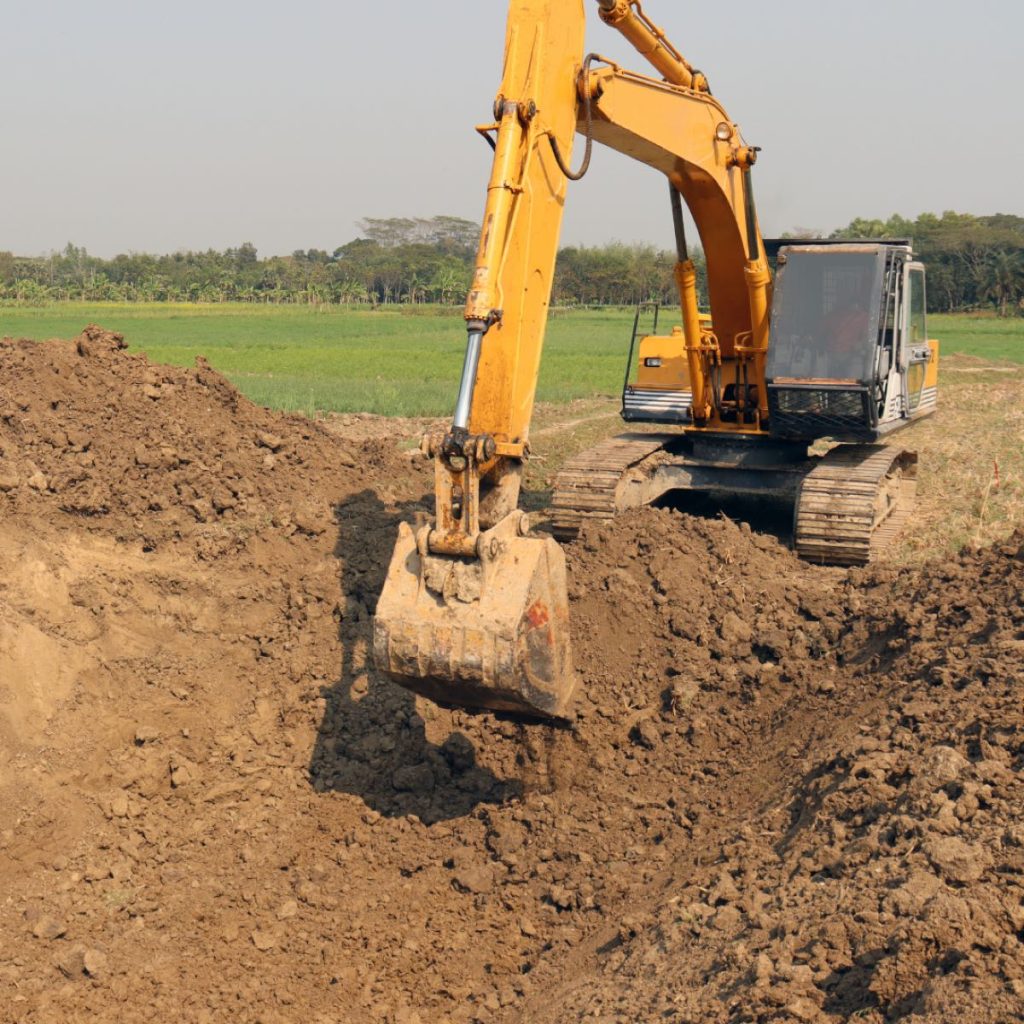
Professional excavation companies prepare land for construction and property improvement projects. Although excavation is often associated with digging, the service can include several different tasks depending on the condition of the site and the project’s requirements.
Common excavation services include:
- Site clearing and preparation
- Land and site grading
- Dirt removal and hauling
- Foundation preparation
- Driveway preparation
- Drainage improvement
- Trenching
- Rough and final grading
- Construction debris removal
- Housesite preparation
- Soil relocation
- Access road preparation
Excavation contractors use heavy equipment to reshape the land safely and efficiently. Depending on the project, this may involve excavators, skid steers, loaders, bulldozers, dump trucks, or compacting equipment.
The goal is not only to remove unwanted material. Professional excavation creates a clean, stable, and properly graded surface that supports the work that follows.
Why Proper Excavation Matters
Excavation affects the strength and longevity of nearly everything constructed on a property. A building, parking lot, patio, or driveway is only as dependable as the ground beneath it.
When excavation is completed correctly, it can help:
- Create a stable construction surface
- Reduce the risk of uneven settling
- Direct water away from structures
- Minimize erosion
- Improve access to the property
- Prepare the correct slope for paving
- Remove unsuitable or unstable soil
- Keep future construction on schedule
Problems can develop when contractors rush through the preparation stage. If soft soil, roots, organic material, or construction debris remain beneath a paved surface, the ground may shift or compress later. This can contribute to cracks, depressions, potholes, and drainage issues.
Proper excavation addresses these concerns before the finished surface is installed. It is an investment in the entire project, not simply another item on a construction checklist.
Choosing Excavation Companies in Waynesville, NC
Not all excavation companies have the same level of experience, equipment, or understanding of local terrain. In Waynesville, contractors may need to work on steep grades, narrow access points, wooded lots, rocky ground, or properties affected by stormwater runoff.
When selecting a contractor, consider the following factors.
Experience With Local Properties
Local knowledge is valuable because excavation conditions can vary throughout Western North Carolina. Mountain properties may require careful slope management, while lower areas may need additional attention to drainage and soil stability.
A contractor familiar with Waynesville can evaluate these conditions and recommend an appropriate preparation plan.
Proper Equipment
The size and type of equipment should match the job. Equipment that is too large may damage surrounding areas or have difficulty reaching confined spaces. Equipment that is too small may slow down a major project.
An experienced company will determine which machines are appropriate based on site access, the amount of material being moved, and the final project goals.
Clear Project Planning
Excavation should begin with a clear understanding of the scope. The contractor should know what areas will be cleared, how much dirt must be removed, where materials will be placed, and what grade the finished site needs.
Good planning helps reduce surprises and keeps the project organized.
Attention to Drainage
Water management is especially important in mountain communities. Heavy rain can quickly reveal problems with a poorly graded property.
A qualified contractor should consider how water moves across the land and whether the excavation plan will direct runoff safely away from buildings, paved surfaces, and neighboring properties.
Coordination With Other Work
Excavation is often the first stage of a larger project. The contractor may need to coordinate with paving crews, builders, utility professionals, landscapers, or concrete installers.
Choosing a company that understands the full construction process can make the transition between stages more efficient.
Common Projects That Require Excavation
Excavation services are useful for many residential, commercial, and development projects.
Driveway Installation
A new driveway requires more than asphalt or gravel placed over existing soil. The area must be cleared, graded, and compacted to create a dependable base.
Excavation may also be needed to remove weak soil, adjust the slope, improve drainage, or widen the driveway. Proper preparation can help prevent standing water, cracking, and low spots.
Parking Lot Construction
Commercial parking areas must support regular vehicle traffic while allowing water to drain correctly. Excavation contractors prepare the site, establish the required elevation, and create a stable base for paving.
Careful grading is essential because even a small drainage problem can create puddles, ice hazards, erosion, or early pavement damage.
New Construction
Before construction begins, a building site may need clearing, leveling, foundation excavation, utility trenches, and access preparation. The work must follow the approved site plan and leave the area ready for the next contractor.
Drainage Improvements
Excavation can help correct drainage problems by reshaping the land, creating swales, installing drainage trenches, or removing material that blocks water flow.
The exact solution depends on the source of the problem. A contractor should evaluate the entire property rather than move water from one troublesome area to another.
Landscaping and Property Improvements
Large landscaping projects may require land reshaping, removal of unwanted soil, installation of retaining features, or preparation for patios and outdoor living spaces.
Excavation can also make an overgrown or uneven section of land more functional.
Dirt and Debris Removal
Construction, demolition, and property cleanup projects can leave behind excess dirt, broken materials, and debris. Professional hauling helps clear the site and prepare it for future use.
The Excavation Process
Every property is different, but most excavation projects follow a similar process.
1. Site Evaluation
The contractor visits the property to inspect access, slope, soil conditions, existing structures, drainage patterns, and obstacles. The intended use of the finished site is also discussed.
2. Planning and Preparation
The work area is identified, and the contractor determines which equipment and materials will be required. Depending on the project, utility locations, permits, erosion-control measures, or additional professional evaluations may be necessary.
3. Clearing the Work Area
Trees, brush, rocks, roots, old pavement, debris, or other unwanted materials may be removed. Clearing gives the excavation crew safe access to the work area.
4. Excavating and Moving Material
Soil is removed, relocated, or added according to the project plan. The contractor establishes the required depth, shape, and elevation.
5. Grading and Compaction
The prepared surface is graded to the correct slope. Soil or aggregate may then be compacted to create a firm and stable base.
6. Final Inspection
The contractor checks the finished grade, drainage direction, access, and overall condition of the site. After this step, paving, construction, concrete work, or landscaping can begin.
How Long Does Excavation Take?
The excavation timeline depends on several factors, including:
- Size of the work area
- Amount of soil being moved
- Property access
- Terrain and slope
- Soil or rock conditions
- Weather
- Drainage requirements
- Number of structures or obstacles
- Need for dirt hauling
- Permit or utility requirements
A straightforward residential project may take a relatively short time, while a large commercial site or steep mountain property can require considerably more planning and labor.
Rain can also affect the schedule. Wet soil may become difficult to move or compact, and working in unsuitable conditions can damage the site. A responsible contractor will balance efficiency with the need to complete the work safely and correctly.
Common Excavation Mistakes to Avoid
Excavation is not a good place to cut corners. Mistakes made during site preparation can remain hidden until the project is complete.
Common mistakes include:
Ignoring Drainage
Creating a flat surface without considering water flow can lead to pooling, erosion, and damage near foundations.
Failing to Compact the Base
Loose soil may settle over time. If pavement or concrete is installed too soon, the surface can sink or crack.
Using the Wrong Fill Material
Not every type of soil is suitable for structural support. A professional contractor can determine whether existing material should be reused, removed, or replaced.
Excavating Without Checking Utilities
Underground electric, water, gas, sewer, or communication lines can create serious safety risks. Utility locations should be addressed before digging begins.
Hiring Based Only on Price
A low estimate may not include proper hauling, grading, drainage, or compaction. Property owners should compare the complete scope of work—not just the final number.
Beginning Without a Defined Plan
Changing elevations or removing soil without understanding the finished project can create extra work and unnecessary expenses.
Why Work With Custom Paving?
Custom Paving understands that excavation is the foundation of a successful paving or construction project. Serving Waynesville, NC, the company can help property owners prepare residential and commercial sites for their next improvement.
Working with a contractor that offers both excavation and paving provides an important advantage. Site preparation can be completed with the finished surface in mind. The team can evaluate grade, drainage, access, base requirements, and long-term performance as connected parts of the same project.
Whether you need land grading, site preparation, dirt removal, driveway preparation, or excavation for a larger improvement, Custom Paving can assess your property and develop a practical plan.
Start Your Waynesville Project on Solid Ground
The quality of your finished driveway, parking lot, building site, or landscape depends heavily on the preparation beneath it. Professional excavation helps establish stable soil, effective drainage, proper elevation, and safe access before construction begins.
When comparing excavation companies in Waynesville, NC, look for local experience, suitable equipment, clear communication, and a complete understanding of site preparation. Custom Paving is ready to help you move from an undeveloped or uneven property to a properly prepared site.
Contact Custom Paving today to discuss your excavation needs and request an estimate for your project in Waynesville, NC.
