A smooth, durable asphalt surface can improve the appearance, safety, and everyday function of a property. Whether you are installing a residential driveway, upgrading a commercial parking lot, or repairing worn pavement, the quality of the finished surface depends heavily on the contractor you choose. Working with an experienced asphalt paving contractor helps ensure that the ground is prepared correctly, drainage is considered, and the asphalt is installed for lasting performance.
In Waynesville, NC, paving projects require special attention to mountain terrain, sloped properties, seasonal temperature changes, and heavy rainfall. These local conditions can quickly expose problems caused by poor grading or an unstable base. Custom Paving provides professional asphalt paving services for residential and commercial properties throughout Waynesville and surrounding Western North Carolina communities.
Understanding the paving process and knowing what to look for in a contractor can help you make a confident decision for your property.
What Does an Asphalt Paving Contractor Do?
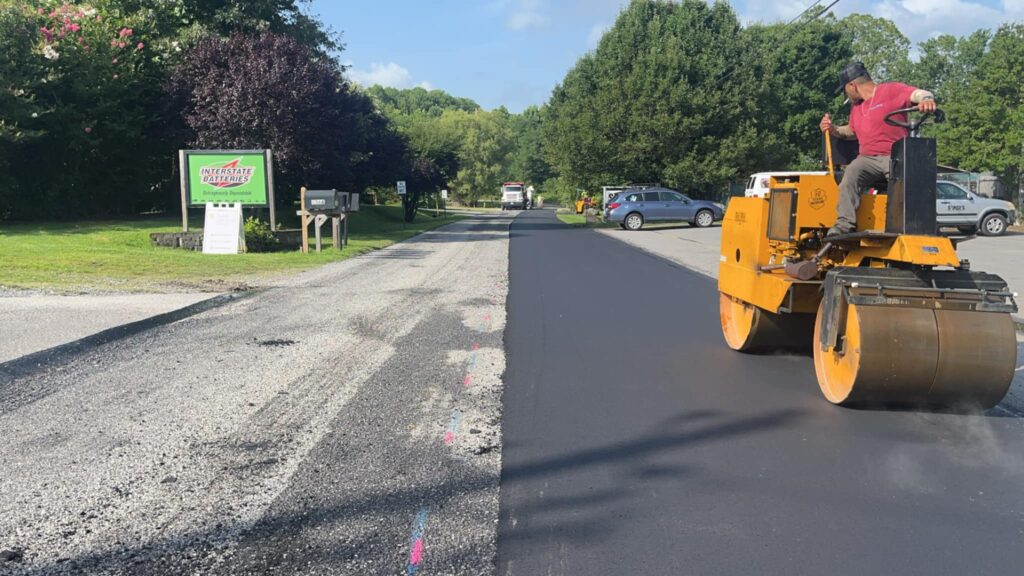
An asphalt paving contractor prepares, installs, repairs, and maintains asphalt surfaces. Although the final layer of blacktop is the most visible part of the project, paving requires much more than spreading asphalt over the ground.
Depending on the project, a paving contractor may provide:
- Residential driveway paving
- Commercial parking lot paving
- Private road installation
- Asphalt resurfacing
- Pavement repairs
- Site excavation
- Land and site grading
- Base installation and compaction
- Drainage improvements
- Removal of damaged pavement
- Parking area expansions
- Asphalt replacement
A professional contractor evaluates the entire site before recommending a solution. The crew must consider the intended use of the pavement, existing soil conditions, vehicle traffic, water flow, and the condition of any current asphalt.
This complete approach is important because even high-quality asphalt can fail when placed over an unstable or poorly drained foundation.
Why Asphalt Is a Popular Paving Material
Asphalt is commonly used for driveways, roads, and parking lots because it combines durability with a clean, finished appearance. When correctly installed, it creates a strong surface that can handle regular vehicle traffic and changing weather conditions.
Some of the main benefits of asphalt include:
A Smooth Driving Surface
Asphalt provides a relatively smooth and quiet surface for cars, trucks, bicycles, and pedestrians. A properly graded asphalt driveway can make daily access to a home or business more comfortable.
Efficient Installation
Compared with some other paving materials, asphalt can often be installed and placed into service relatively quickly. The exact timeline depends on the size of the project, weather, base preparation, and curing requirements.
Practical Maintenance
Small cracks and worn areas may be repairable when addressed early. Routine maintenance can help slow deterioration and extend the useful life of the surface.
A Professional Appearance
Fresh asphalt provides a clean, uniform look. For businesses, a well-maintained parking lot can create a stronger first impression. For homeowners, a paved driveway can improve curb appeal and make the property feel more complete.
Flexibility
Asphalt has a degree of flexibility that allows it to respond to normal ground and temperature changes. However, proper installation remains essential because severe movement or water damage can still cause cracking.
Choosing an Asphalt Paving Contractor in Waynesville, NC
Selecting a contractor should involve more than comparing prices. The lowest estimate may not include the same preparation, materials, thickness, drainage work, or level of service as another proposal.
Consider the following factors before choosing a paving company.
Local Experience
Waynesville properties can have steep slopes, narrow entrances, wooded surroundings, and changing ground conditions. A contractor familiar with Western North Carolina is better prepared to identify challenges before work begins.
Local experience is especially useful when determining how to grade the pavement, control runoff, and prepare the base for the area’s climate.
Site Preparation Capabilities
A dependable paving company should understand excavation, grading, base installation, and compaction. These steps determine whether the asphalt has a stable surface beneath it.
Ask how the contractor will prepare the site and whether unsuitable materials need to be removed. A detailed answer is a positive sign that the company is thinking beyond the visible asphalt layer.
Drainage Planning
Water is one of the biggest threats to asphalt pavement. Standing water can enter small cracks, weaken the base, and contribute to potholes or surface failure.
An experienced contractor should evaluate how water currently moves across the property. The finished pavement should have an appropriate slope that directs runoff away from buildings and vulnerable areas.
Appropriate Equipment
Professional paving requires specialized machinery. The equipment used may include excavators, skid steers, graders, dump trucks, asphalt pavers, rollers, and compactors.
The contractor should have access to equipment that matches the size and conditions of the project. The right equipment supports consistent placement and thorough compaction.
Clear Communication
The proposal should explain what work will be completed. It may include site preparation, pavement removal, base material, asphalt installation, cleanup, and any additional drainage or grading services.
Clear communication helps property owners understand what they are purchasing and reduces the possibility of unexpected costs.
The Asphalt Paving Process
While each property requires an individual plan, most paving projects include several essential stages.
1. Property Evaluation
The contractor inspects the work area and discusses how the pavement will be used. A residential driveway may have different requirements from a commercial parking lot that receives deliveries or regular heavy-vehicle traffic.
The evaluation may also consider:
- Soil condition
- Existing pavement
- Property slope
- Drainage patterns
- Site access
- Traffic volume
- Underground utilities
- Nearby buildings and landscaping
2. Removal and Excavation
If the property has damaged pavement, weak soil, roots, debris, or other unsuitable materials, removal may be necessary. New construction areas may require excavation to establish the correct depth and elevation.
This step creates space for the base and asphalt layers.
3. Grading
The surface is shaped to the required slope. Proper grading helps water move away from the pavement instead of collecting on top or underneath it.
Grading must also create a comfortable transition between the pavement and nearby roads, garages, sidewalks, or parking areas.
4. Base Installation
Aggregate base material may be installed to create a strong foundation. The required depth can vary based on soil conditions and the expected use of the pavement.
The base is then compacted. Thorough compaction reduces movement and creates a more stable platform for the asphalt.
5. Asphalt Placement
Hot asphalt is delivered, spread at the planned thickness, and shaped to match the desired grade. Timing and coordination are important because the material must be handled while it is workable.
6. Compaction
Rollers compact the asphalt to improve strength, density, and smoothness. Proper compaction also reduces unnecessary air spaces that could allow water to enter the pavement.
7. Edges and Transitions
The crew finishes the pavement edges and checks transitions near garages, roads, drains, or adjoining surfaces. Well-formed edges support the asphalt and contribute to a clean appearance.
8. Final Inspection and Cleanup
The contractor reviews the completed area, removes leftover materials, and gives the property owner instructions about when the asphalt can be used.
Residential Asphalt Driveways
A paved driveway can make a noticeable difference in the function of a Waynesville home. Asphalt provides a stable surface for parking, reduces mud and loose gravel, and creates a more defined entrance to the property.
Before installing a driveway, the contractor should consider its width, slope, turning areas, garage connection, road transition, and drainage. Steep mountain driveways may require especially careful planning to create safe access and limit water-related damage.
Homeowners may want to consider asphalt paving when:
- Building a new home
- Replacing a gravel driveway
- Repairing severely damaged pavement
- Expanding a parking area
- Improving access to a garage
- Correcting recurring drainage issues
- Preparing a property for sale
A professional evaluation can determine whether the existing surface can be repaired or whether complete replacement is a better long-term choice.
Commercial Parking Lot Paving
A business parking lot affects customers, employees, delivery drivers, and visitors. Cracks, potholes, standing water, and uneven areas can create an unprofessional appearance and possible safety concerns.
Commercial asphalt paving requires careful planning because the surface may experience frequent traffic or heavier loads. The project must account for entrances, exits, drainage, parking layout, loading areas, and connections to public roads.
Custom Paving can help prepare and pave commercial areas for businesses in Waynesville. A properly installed parking lot provides a smoother experience for visitors while helping the property maintain a professional appearance.
Signs Your Asphalt May Need Repair or Replacement
Asphalt does not last forever. Weather, vehicle traffic, water, poor drainage, and natural ground movement can gradually affect its condition.
Watch for signs such as:
- Widening cracks
- Multiple potholes
- Standing water
- Sunken or uneven areas
- Crumbling pavement edges
- Loose surface material
- Large connected crack patterns
- Drainage flowing beneath the pavement
- Repeated repairs in the same location
Small, isolated issues may be repairable. However, extensive cracking or base failure may require removal and replacement.
Simply covering serious damage with new asphalt does not always solve the underlying problem. A qualified contractor should inspect the pavement and explain why the damage occurred before recommending a service.
Common Asphalt Paving Mistakes
Avoiding preventable mistakes can protect your investment.
Paving Over an Unstable Base
A weak base can cause settlement, cracks, and potholes. Existing problems should be corrected before new asphalt is installed.
Overlooking Water Flow
If the pavement directs water toward a building or allows puddles to form, damage may develop quickly. Drainage must be part of the original plan.
Choosing by Price Alone
A very low bid may reflect reduced preparation, insufficient material, or an incomplete scope. Compare what each estimate actually includes.
Delaying Repairs
Small cracks allow water to enter the pavement. Addressing minor deterioration early may prevent a more expensive problem later.
Hiring an Unclear or Unresponsive Contractor
If a company cannot clearly describe the installation process, materials, or project scope, it may be difficult to know what result to expect.
Why Choose Custom Paving?
Custom Paving serves residential and commercial property owners in Waynesville, NC. The company understands that dependable asphalt starts beneath the finished surface, which is why site preparation, grading, drainage, and compaction are important parts of the process.
By offering paving and excavation capabilities, Custom Paving can evaluate a project from the condition of the existing land to the final asphalt surface. This helps create a coordinated plan instead of treating site preparation and paving as unrelated services.
Whether you need a new driveway, commercial parking lot, pavement replacement, or site preparation, the team can assess your property and recommend an appropriate solution.
Contact an Asphalt Paving Contractor in Waynesville, NC
A successful paving project requires a stable foundation, proper drainage, quality materials, careful installation, and attention to the way the surface will be used. Choosing the right asphalt paving contractor can help you avoid preventable problems while creating a smooth, durable, and attractive finished surface.
For professional asphalt paving in Waynesville, NC, contact Custom Paving. Discuss your residential or commercial project, schedule a site evaluation, and take the first step toward pavement designed for dependable performance.
